
Area Codes Serving Alabama
Alabama is a seven-code state. Four of those codes are the workhorses: 205, 256, 334, and 251, each anchoring its own region. The other three, 659, 938, and 483, are overlays that share territory with a parent code. No city in Alabama has its own private code. Instead, each code covers a broad slice of the state, from the Tennessee Valley down to the Gulf Coast.
The pairings matter for dialing. Where two codes share the same ground, a seven-digit number is no longer unique, so the area code must be dialed with every local call. That is now true across the whole state.
| Area Code | Coverage | Year Assigned | Overlay Status |
|---|---|---|---|
| 205 | Central and west-central Alabama: Birmingham, Tuscaloosa, Hoover, Bessemer, Northport, Jasper, Oneonta, Clanton, Pell City | 1947 | Original statewide code, now the parent of 659 |
| 659 | Same territory as 205 | 2019 | Overlay of 205 |
| 256 | Northern and east-central Alabama: Huntsville, Decatur, Florence, Muscle Shoals, Athens, Anniston, Gadsden, Fort Payne, Scottsboro | 1998 | Split from 205, parent of 938 |
| 938 | Same territory as 256 | 2010 | Overlay of 256 |
| 334 | South-central and southeast Alabama: Montgomery, Auburn, Opelika, Dothan, Prattville, Enterprise, Selma, Troy, Eufaula | 1995 | Split from 205, parent of 483 |
| 483 | Same territory as 334 | 2026 | Overlay of 334, newest Alabama code |
| 251 | Southwest and coastal Alabama: Mobile, Daphne, Spanish Fort, Fairhope, Foley, Gulf Shores, Bay Minette, Atmore, Monroeville | 2001 | Split from 334, no overlay |
Alabama Area Code Coverage by Region
The simplest way to place an Alabama number is by metro area. Each region's major cities share the same code pair, and the overlay always covers the exact same ground as its parent. Boundary communities are the one wrinkle. Towns in Walker, Blount, and St. Clair counties can sit close to the 205/938 line, so neighbors a few miles apart may carry different codes.
- Birmingham metro - Hoover, Homewood, Mountain Brook, Vestavia Hills, Bessemer, Alabaster, Pelham, and Trussville all use 205/659
- Tuscaloosa and west Alabama - Tuscaloosa, Northport, and the University of Alabama area use 205/659
- Huntsville and the Tennessee Valley - Huntsville, Madison, Decatur, Athens, Florence, Muscle Shoals, Scottsboro, and Fort Payne use 256/938
- East-central cities - Anniston, Gadsden, Talladega, Alexander City, and Sylacauga use 256/938
- Capital and Wiregrass region - Montgomery, Prattville, Selma, Troy, Auburn, Opelika, Phenix City, Dothan, Enterprise, and Ozark use 334/483
- Mobile and the coast - Mobile, Prichard, Saraland, Daphne, Spanish Fort, Fairhope, Foley, Gulf Shores, Orange Beach, and Bay Minette use 251
One caution about reading this map backward. The area code follows the phone, not the person. Number portability lets an Alabama customer keep a number through moves and carrier changes, so a 205 number can ring in Huntsville and a 256 number can ring in Birmingham. An Alabama area code shows where a number started, not where its owner lives today.
Overlay vs Split for Alabama Area Codes
Alabama has used both relief methods, so both terms show up in its history. A split redraws the map: part of the region keeps the old code, and the rest moves to a new one. That is how 334, 256, and 251 were born, and each split forced people on the new side to change their numbers. An overlay adds a code on top of the same ground instead. Nobody's number changes, but everyone must dial ten digits, because the same seven-digit number can now exist under two codes. That is how 938, 659, and 483 arrived.
- Overlay
- A second (or third) area code added to the same geography. Everyone keeps their existing number. Mandatory 10-digit dialing applies to all calls.
- Split
- The old area code keeps part of the geography. The new area code takes another part. People in the new region get new numbers.
- Permissive Dialing
- The transition period when both old (7-digit) and new (10-digit) calls connect. Ends on a fixed cutover date.
Dialing Rule for Alabama Area Codes
Local calls take ten digits everywhere in Alabama: the area code plus the seven-digit number. Toll and long-distance calls take 1 plus those ten digits. Three regions got there through overlays. The fourth, 251, converted for a different reason. The 988 crisis line was already assigned there as a regular prefix, so the FCC's nationwide 988 rollout required 251 to move to ten-digit dialing on October 24, 2021, after a permissive period that began that April. The Alabama Public Service Commission's fact sheet on that change stressed what did not change: numbers, rates, and coverage areas all stayed the same.
Important: The 334/483 region ended permissive dialing on January 23, 2026. Seven-digit local calls no longer connect anywhere in Alabama, so save contacts with all ten digits.
The Alabama Public Service Commission is the state authority on these transitions and publishes consumer fact sheets when a dialing change is coming.
The PSC site is also where utility and telephone complaints get filed once a carrier fails to resolve an issue. The rest of the dialing landscape, meaning the three-digit service codes, star codes, and international prefixes, lives on the Alabama phone codes page.
History of Alabama Area Codes
One code covered all of Alabama for almost half a century. Growth in fax lines, pagers, and mobile phones ate through the supply of numbers, and the map has been dividing ever since. The pattern is easy to read in order: three splits between 1995 and 2001, then three overlays from 2010 on, as regulators stopped redrawing Alabama's map and started stacking codes instead. Each step took years of planning, and each one shows up as a NANPA planning letter with fixed dates.
| Year | Event |
|---|---|
| 1947 | 205 assigned as Alabama's original statewide area code |
| 1995 | 334 split off for southern Alabama, one of the first codes with a middle digit other than 0 or 1 |
| 1998 | 256 split from 205 for northern and eastern Alabama |
| 2001 | 251 split from 334 for Mobile and the southwest coast |
| 2010 | 938 overlaid 256, bringing 10-digit dialing to north Alabama |
| 2019 | 659 overlaid 205, bringing 10-digit dialing to the Birmingham region |
| 2021 | 251 converted to mandatory 10-digit dialing on October 24 because of the 988 rollout |
| 2024 | Alabama PSC approved the 483 overlay for 334 in Docket 33429 |
| 2025 | Permissive 10-digit dialing began in 334/483 on July 23 |
| 2026 | Mandatory 10-digit dialing began January 23; new 483 prefixes could activate from February 23 |
Local Exchange Prefixes in Alabama
The three digits after the area code are the exchange, called the NXX or central office code. Each Alabama NXX is assigned to a carrier and tied to a rate center, the billing location a prefix belongs to. Big rate centers like Birmingham and Montgomery hold hundreds of prefixes. A single prefix can even be shared: blocks of the Birmingham prefix 205-354, for example, sit with a legacy landline carrier, a wireless carrier, and a VoIP provider at the same time.
The official public record of these assignments is NANPA's central office code assignment report, downloadable by state and prefix.
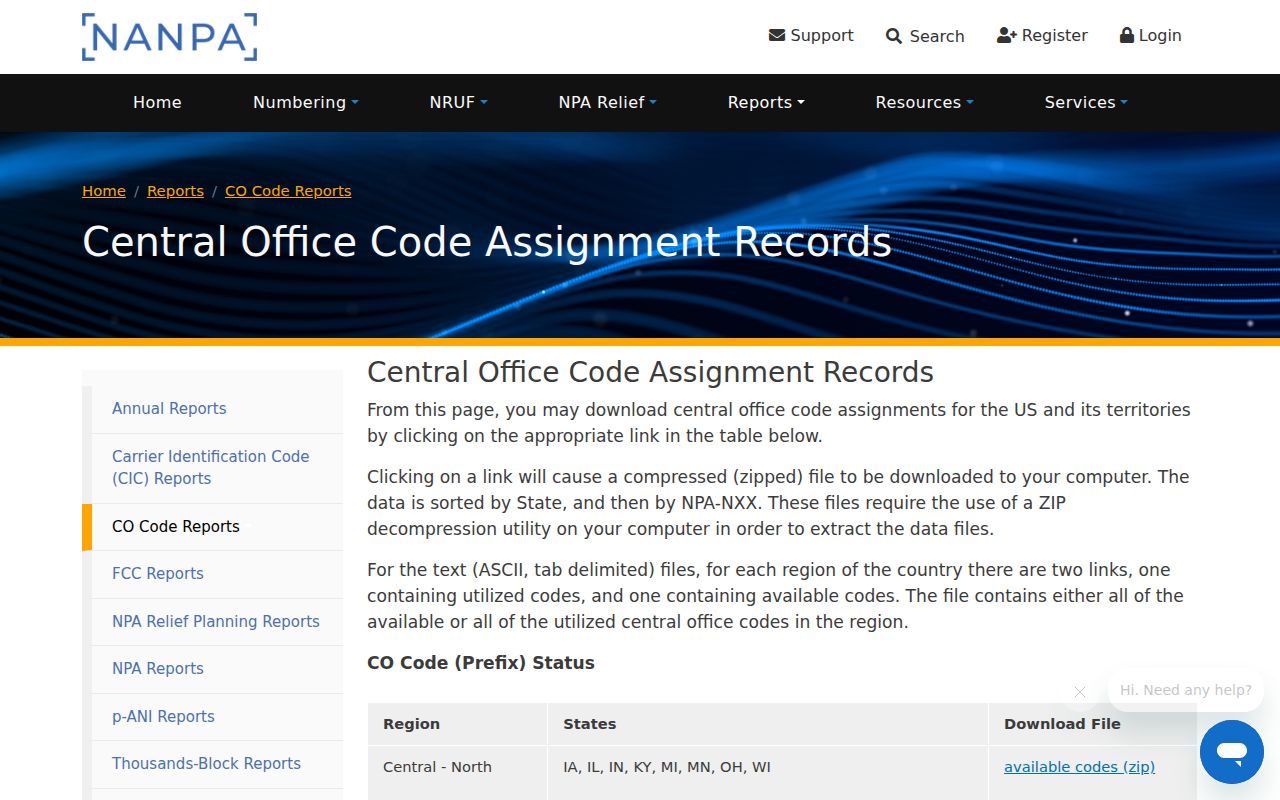
Treat prefix data with care. Number portability lets an Alabama customer keep a number while switching carriers, so a prefix shows where a number started, not who serves it today. Deeper routing data lives in the industry's licensed LERG Routing Guide rather than any free public list.
Note: A prefix lookup is a starting point for research, not proof of a caller's current carrier, location, or identity.
Future Area Code Plans for Alabama
The 483 overlay was Alabama's most recent relief project, and it is now fully in place. NANPA's planning letter for it, PL-626, laid out the whole schedule: PSC approval on March 5, 2024, customer education from January 2025, permissive dialing from July 23, 2025, and mandatory ten-digit dialing from January 23, 2026. It even included a test number, 483-483-1483, that played a recorded confirmation from November 2025 through March 2026 so callers could verify their provider routed the new code.
Beyond 483, no additional Alabama relief project appears in current official planning documents. When the next one comes, the sequence will look familiar. NANPA identifies a code nearing exhaust, the PSC approves a relief plan, and residents get an education period before any dialing change. Overlays do not force number changes, so most people only need to update saved contacts. Planning letters are published on the NANPA relief planning page.
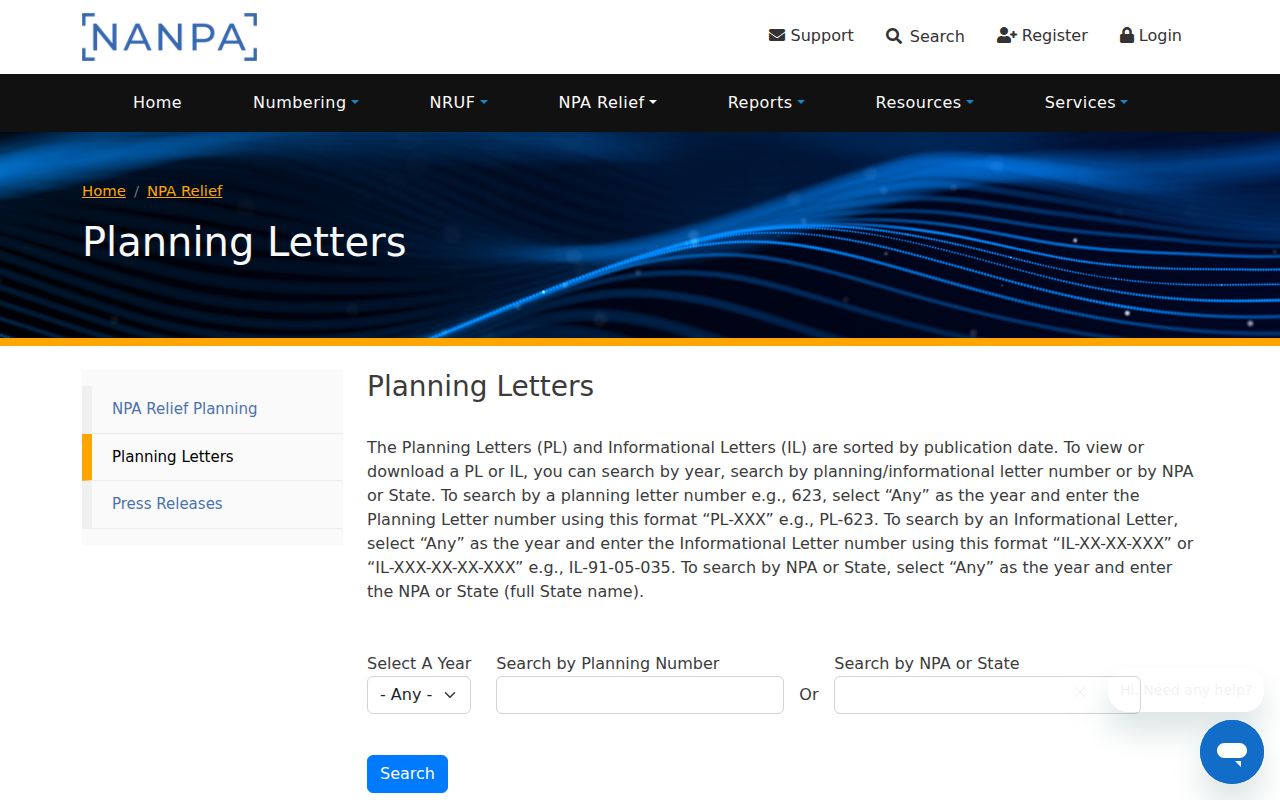
Those letters are the primary source for every date in an area-code rollout, which makes them the first place to check when a dialing rumor starts going around.
Verifying an Alabama Area Code
Scam callers lean on unfamiliar codes, so it pays to check whether a code is real before calling back. Alabama numbers can only start with 205, 659, 256, 938, 334, 483, or 251. Anything else claiming to be local is worth doubting. NANPA's records confirm a code's status and territory, and the FCC's consumer guide explains the ten-digit dialing rules that came with 988. If a spoofed Alabama area code keeps showing up on your caller ID, the Alabama Attorney General's consumer hotline at 1-800-392-5658 takes fraud reports statewide.